Volunteer Management: A Core Competency of Advancement
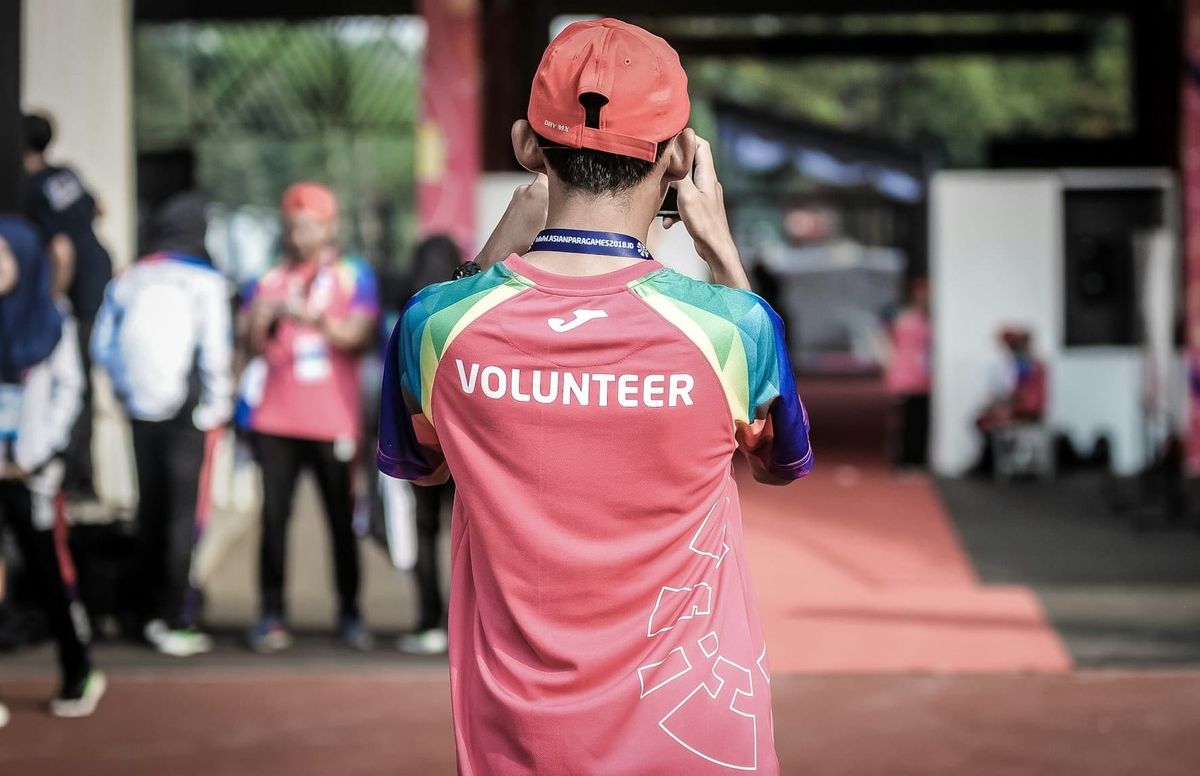
Volunteer management, while typically housed in alumni relations, generates consequences which ripple across the entire advancement enterprise. Consider all of the ways our work is fueled by volunteers: board members, chapter leaders, mentors, and ambassadors. These people are driven to stay connected to an institution that once shaped their lives. Unfortunately, volunteer management is sometimes treated as a secondary skill in this space. As each volunteer group has its own set of power dynamics and expectations, I must harp on just how essential it is to build management infrastructure to fuel the volunteer ecosystem.

Volunteer management skills are not intuitive or something you just “pick up.” Volunteer management skills don’t naturally develop because you are a “people person.” Volunteer management should not be reduced to serving as a cheerleader of the groups managed. Volunteers require unique communication flows, clarity regarding decision rights, and more. Managing our volunteer ecosystem requires strategy, emotional intelligence, boundary setting, and data fluency. Developing a volunteer management toolkit requires real work.
The Discipline of Volunteer Stewardship
If someone were to approach me asking whether alumni relations is a good professional fit, I would not respond by describing programs or events. I would ask about their experience managing relationships without a written playbook. These skills are honed anywhere professionals help make sense of gray areas.
Volunteers are inspired by their experiences (as students or otherwise). Volunteers are also inspired by leadership. We are rarely short on motivation, the issue lies in execution. Alumni relations professionals make sure alumni remain connected to the foundation of their institution in sustainable, effective ways.
Sure, professionals in this space must be personable and maintain a sense of order, but reducing this work to warmth or organization ignores the systems required to sustain complex constituent networks. Professionals in this domain need to be well versed in follow-through, prioritization, and translation.
The work of alumni relations mirrors established enterprise functions: account management (relationship retention), project management (scope, timelines, delivery), and change management (behavioral adoption across stakeholders). When these functions are weak, organizations collapse. We see this in missed commitments, stakeholder disengagement, scope creep, and the erosion of trust. Volunteer ecosystems fail for the same reasons. Alumni relations professionals are required to manage constituent emotions, situational ambiguity, and competing priorities. All of this is discipline.
Operationalizing Ideas
Volunteer ideas present opportunity. Inspired by mission and proximity to the institution, volunteers bring forward creative, ambitious proposals. This is a strength of engaged communities. This is also a potential vulnerability. Administrators operate with visibility into institutional capacity, budgetary constraints, headcount/personnel limitations, compliance considerations, and long-term strategy. We also have access to benchmarks and sector trends that shape what is feasible and when. Volunteers rarely have any of that.
Translating volunteer energy into action requires disciplined decision making. Specifically, it demands the ability to:
- Reject the impulse to overcommit
- Rapidly assess feasibility and risk
- Align ideas with institutional priorities
- Delegate with clarity and accountability
- Secure cross-functional buy-in as conditions shift
Without the proper discipline, agreeableness fills the gap. Endless “yes” responses become deferred failure. Overpromising, followed by retraction, erodes trust more quickly than a thoughtful refusal ever will. Credibility is not lost when boundaries are set, they are lost when they are inconsistently enforced.
This is where volunteer management becomes an executive function. It requires political acumen: the ability to decline, redirect, and reframe without losing the people you depend on. In this sense, nonviable ideas challenge us to appreciate the passion that exists, while holding fast to a different path forward. Our professional responsibility is to locate the viable nodes of possibility, and guide volunteer energy toward outcomes that are meaningful and sustainable.
Facilitating Purpose and Identity Through Structure
Purpose and identity do not emerge accidentally in volunteer ecosystems. These themes are designed and reinforced through clarifying opportunities. I approach engagement as an institutional system. Early in my tenure (at my current employer), I conducted a comprehensive review of how alumni were contributing across departments, programs, and informal channels. This became a volunteer opportunity inventory, a living blueprint of engagement pathways.
The value of this approach is twofold. First, it provides a clear and credible response to a common question: How can I get involved? An inventory translates that question into defined, accessible options and requires the institution to add to and update those pathways with intention. Second, inventories make impact measurable. Measurement signals constituent awareness and endorsement of the mission. Measurement signals that volunteer time is valuable and worth stewarding with intention.
Aligning Commitment and Capacity
Variation in participation exists in every volunteer ecosystem. Left unaddressed, the gaps can breed burn out, resentment, and quiet withdrawal. Clear expectations offer stability and bridge the gap by establishing a common floor. To assess sustainability, I evaluate cumulative commitments across multiple roles. In one case I examined board service, board committee work, and local chapter involvement. Each commitment, while reasonable independently, far exceeded sustainable capacity when reviewed together. Institutions must examine where opportunities reinforce one another, where they compete, and where they impose unreasonable demands.
The analysis becomes especially critical when volunteers express a collective desire to “do more,” without consensus on baseline expectations. Without a shared foundation, there is no operational north star. In this context, alumni relations professionals are coaches crafting alignment. The work is to locate the intersection between institutional need and human capacity, and generate rewarding opportunities within the finite time available. At times, this requires protecting volunteers from themselves.
Why This Competency Determines the Future of Alumni Relations
Volunteer management is the discipline that makes progress possible. When institutions invest in this competency, volunteers become effective advocates and long-term partners. When they don’t, engagement strategies struggle to hold due to blurred authority, shadow decision making, and volunteer burnout. Alumni relations succeeds or fails at the nexus of volunteer energy and institutional structure. Designing that intersection is foundational to the future of the field.


